

友情链接
- Copyright © Science and Technology Daily, All Rights Reserved
- 科技日报社 开云足球 版权所有

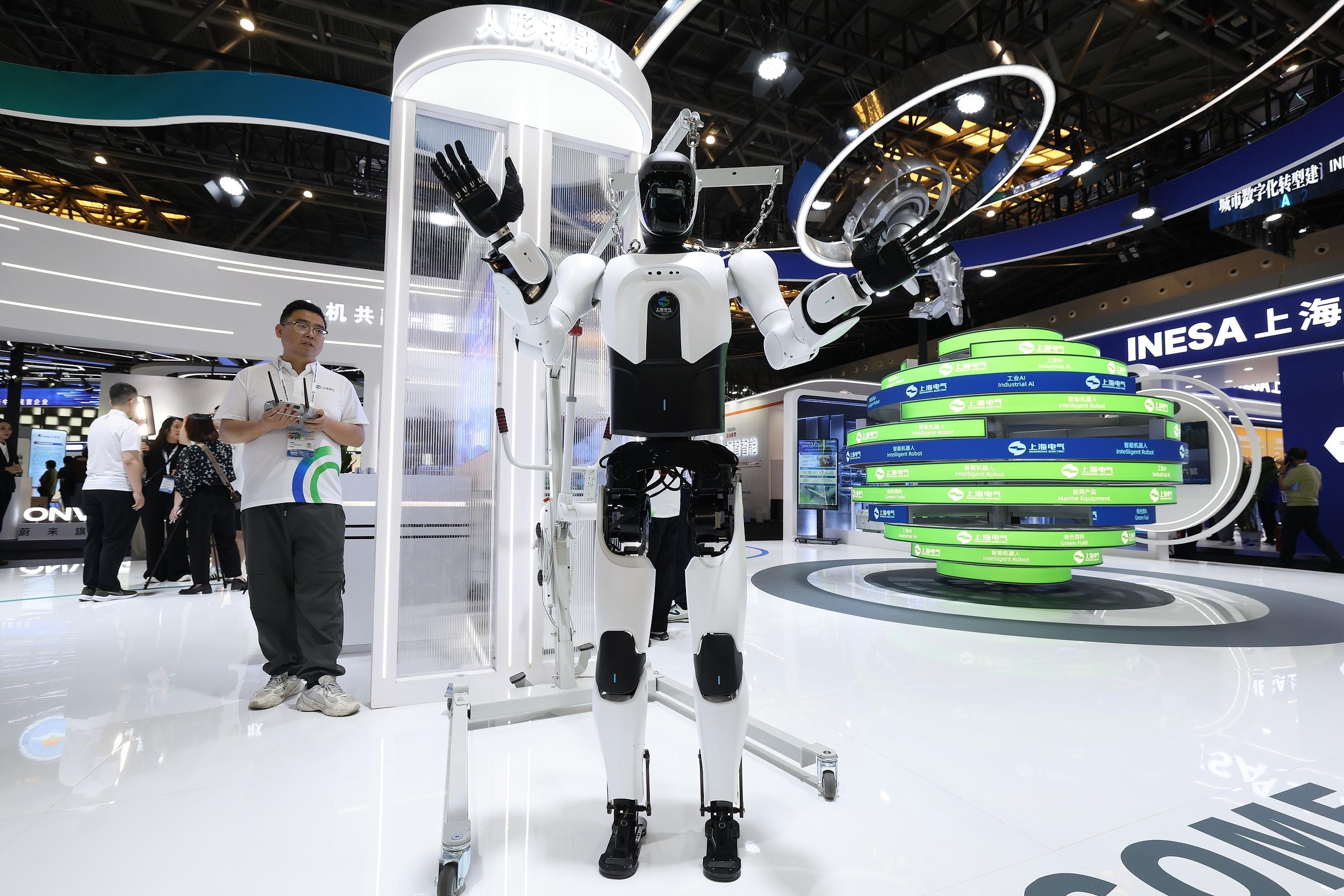
China has launched a nationwide real-world training initiative for humanoid robots and embodied intelligence, aiming to advance the deployment and application of these technologies.
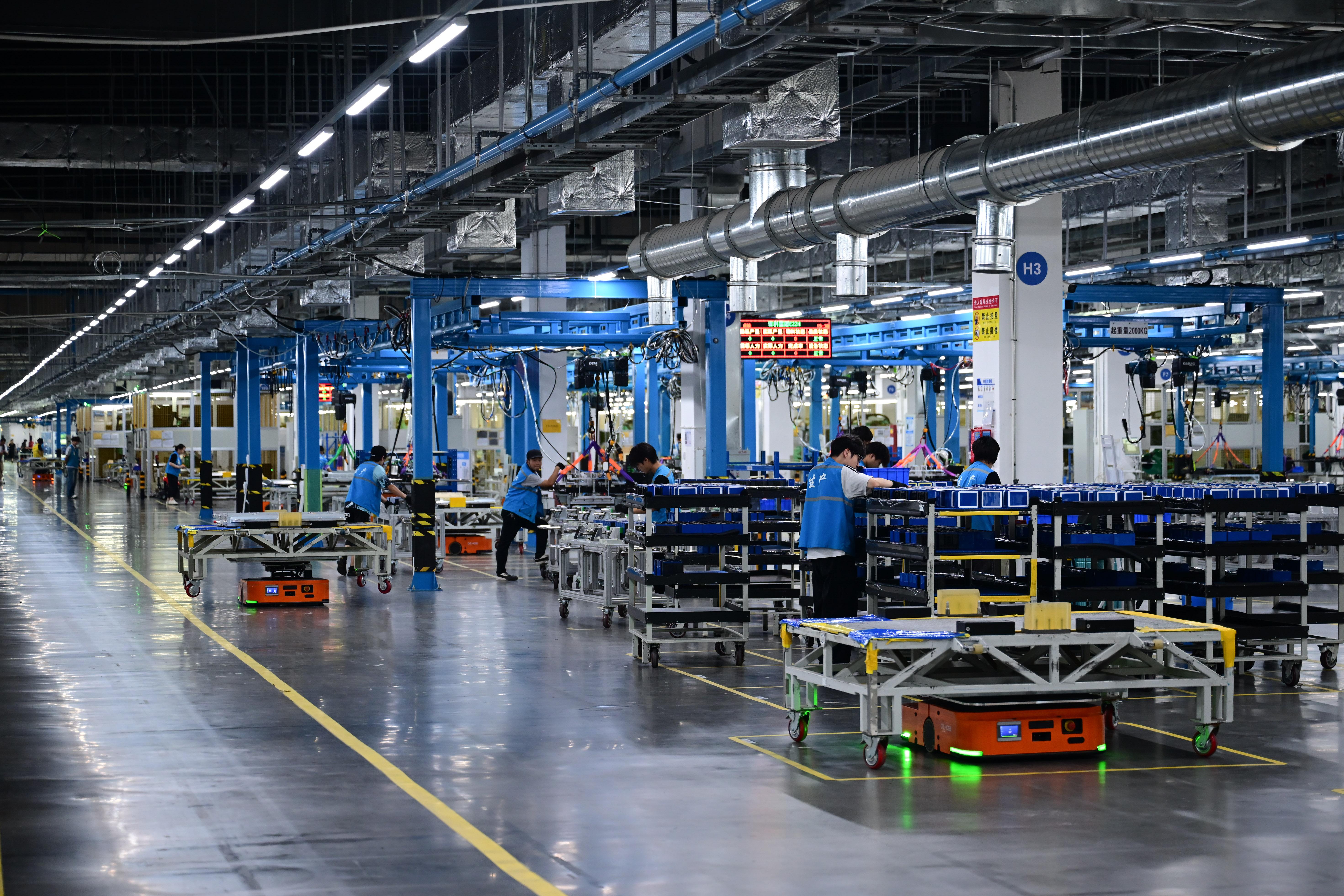
China aims to capitalize on the trends of a new scientific and technological revolution and industrial transformation, to advance its new-type industrialization, according to a State Council executive meeting held on June 5.

To enhance the comprehensive benefits of ecological protection compensation, the National Development and Reform Commission and the Ministry of Finance have issued an implementation plan.

China has unveiled the key tasks for 2026 to improve the automotive standards system, enhance the quality of standards and deepen international cooperation on them, as well as guide the high-quality development of the auto industry with high-standard regulations.

China's State Council recently issued an urban renewal plan during the 15th Five-Year Plan (2026-2030) period, outlining core targets, major tasks and supporting policies.
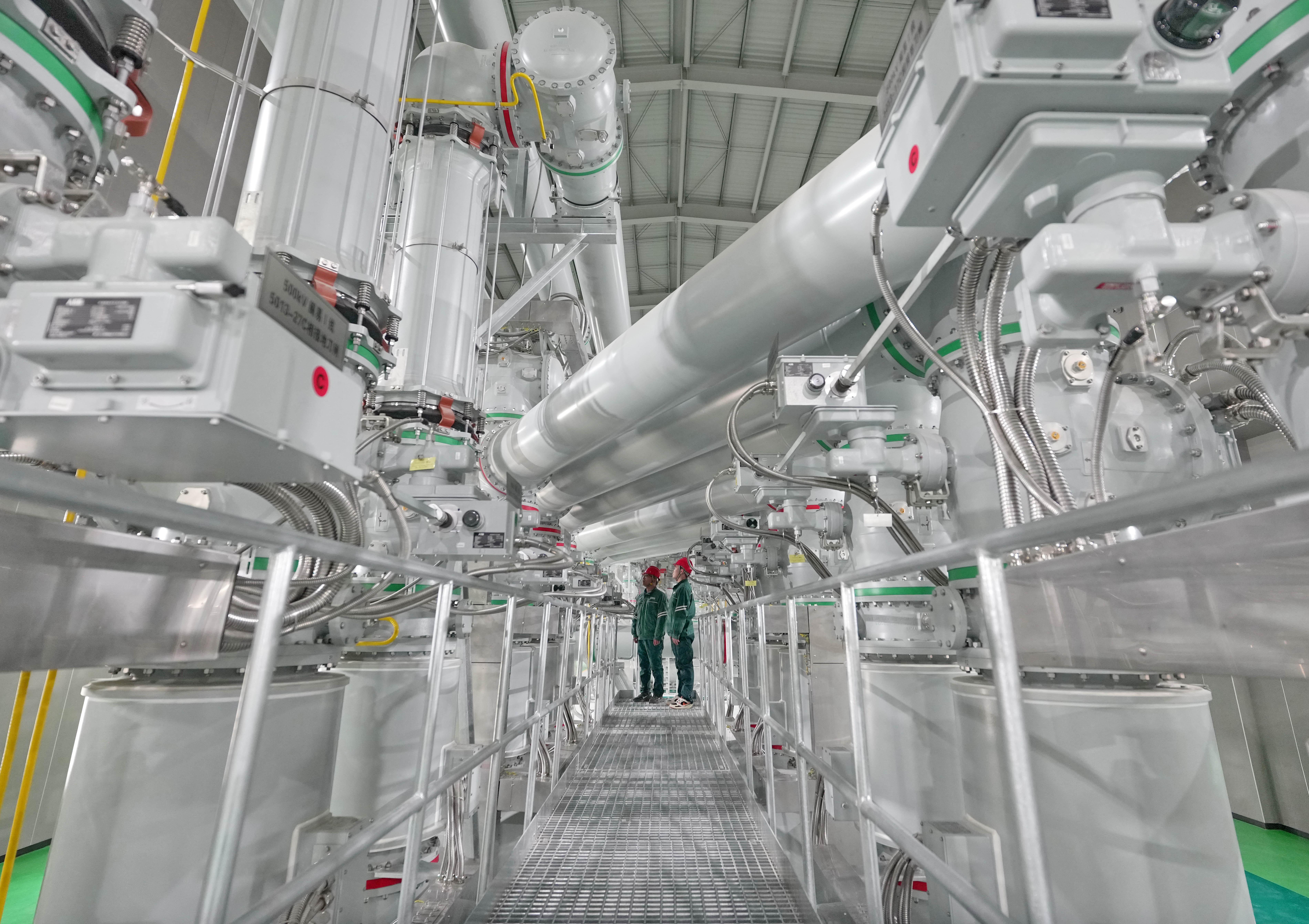
China's initiative to promote multi-user direct access to green power aims to boost local consumption and utilization of new energy resources, according to a guideline jointly issued by the National Development and Reform Commission and the National Energy Administration.

China has issued a guideline for the development of an AI metrology system and related capacity building, targeting industrial bottlenecks including algorithmic "black boxes" and data shortage.

Industrial products are in for a green design makeover, along with the green and low-carbon development of the manufacturing sector, after China recently released a set of guidelines to expedite the process.

China has rolled out official assessment measures for the building of a Beautiful China, with the goal of expanding green and low-carbon development, along with the overall improvement of the country's eco-environmental quality, according to an official document released recently.

With the rapid advancement of new-generation AI technologies, intelligent agents are accelerating their in-depth integration with cyberspace and the physical world, transforming people's production methods and daily life as well as social governance models.
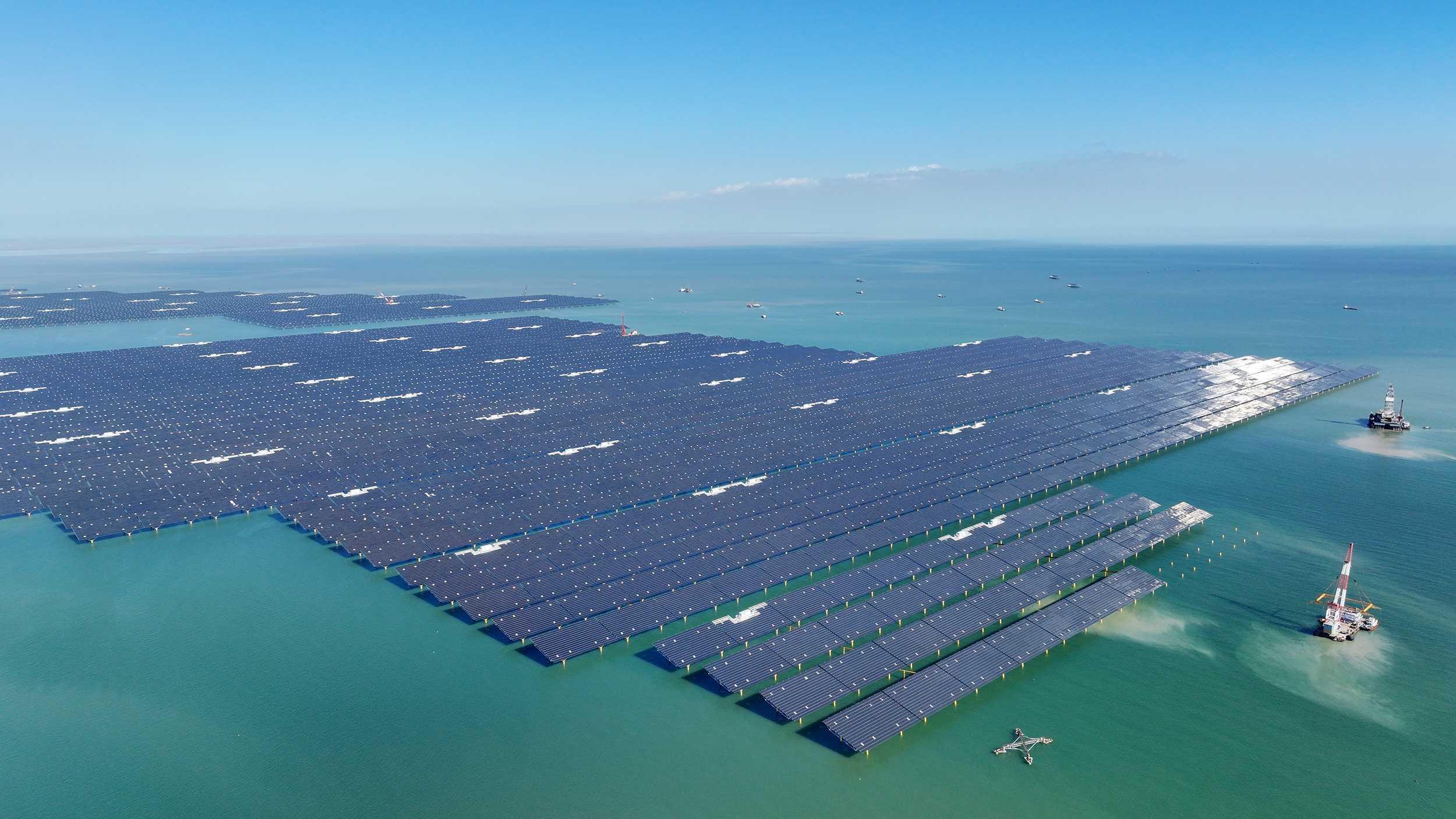
China is committed to advancing high-standard, high-quality energy conservation and carbon reduction, according to a guideline jointly issued by the General Office of the Communist Party of China Central Committee and the General Office of the State Council.
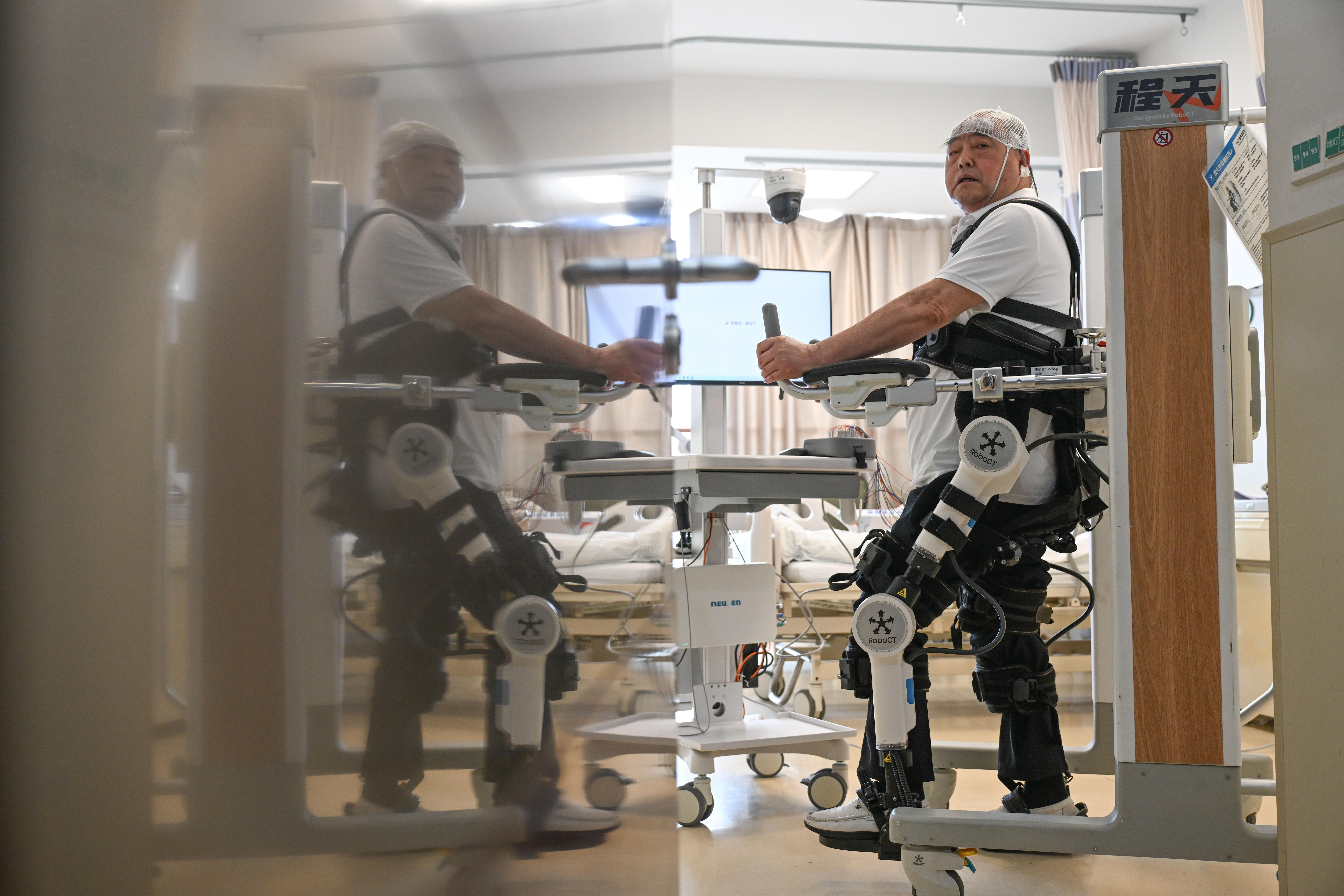
China recently issued a batch of important national standards, ranging from emerging industries to ecological and environmental protection fields.

A recently released pilot guideline on the ethics review and service of AI technology, by the Ministry of Industry and Information Technology and nine other government departments, is set to provide a framework for trustworthy AI. Central to the guideline are efforts to support technological innovation in AI ethics review and to strengthen the use of technical measures to prevent AI-related ethical risks.
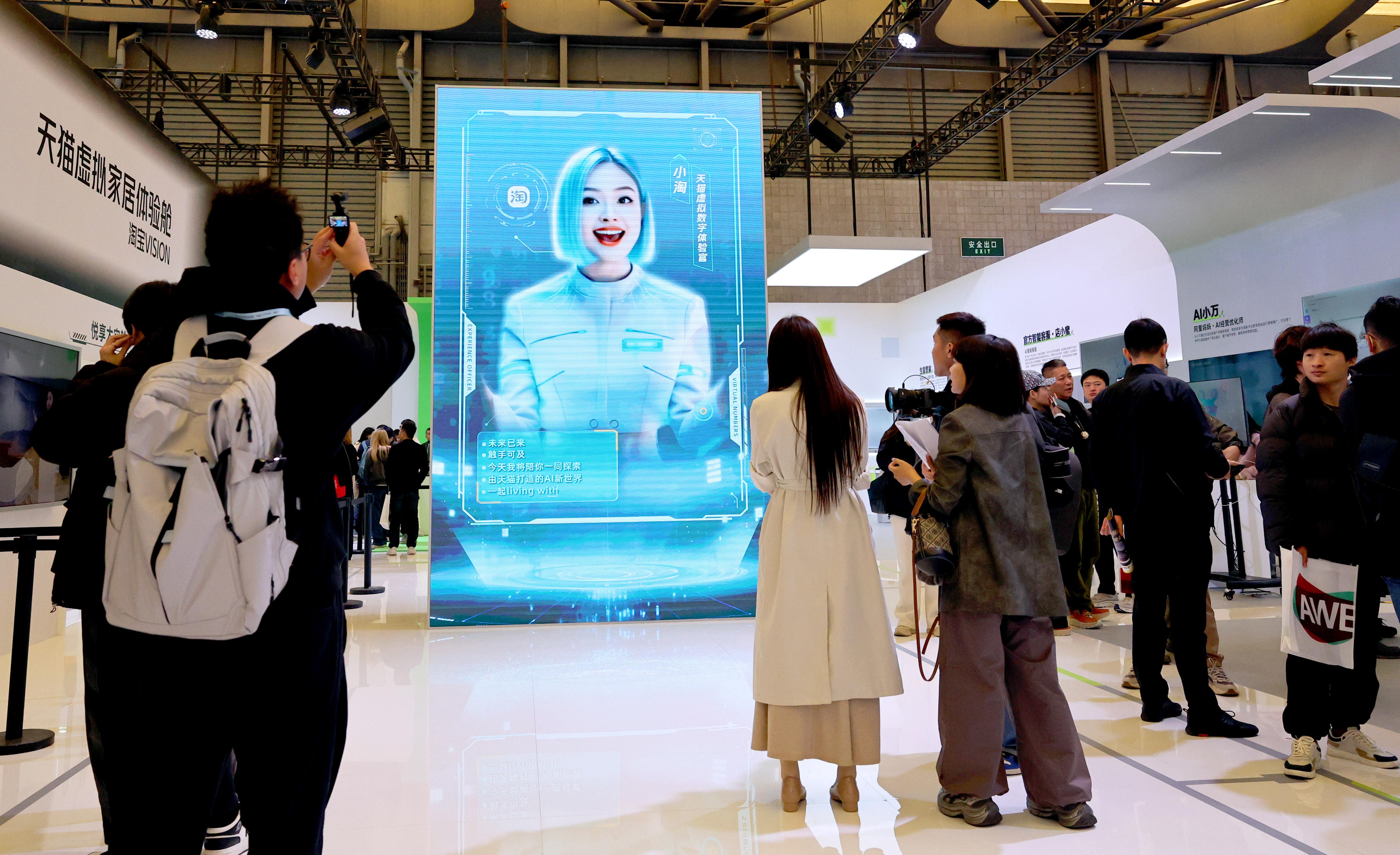
China's cyberspace regulator has released a draft regulation to strengthen oversight of digital human services, and is now soliciting public opinion.

China has rolled out an action plan to accelerate the deep integration of cutting-edge technologies, such as artificial intelligence, into the shipping industry and foster the growth of new quality productive forces in the shipping sector.

China will promote high-quality development of its marine economy, giving priority to six aspects. They were outlined in a recent article in the Qiushi Journal.

Energy-saving equipment aimed at accelerating the sector's intelligent transformation, high-quality development and green upgrading has been thrust into the spotlight after an action plan by four Chinese government agencies, including the Ministry of Industry and Information Technology and the National Energy Administration, was recently issued.
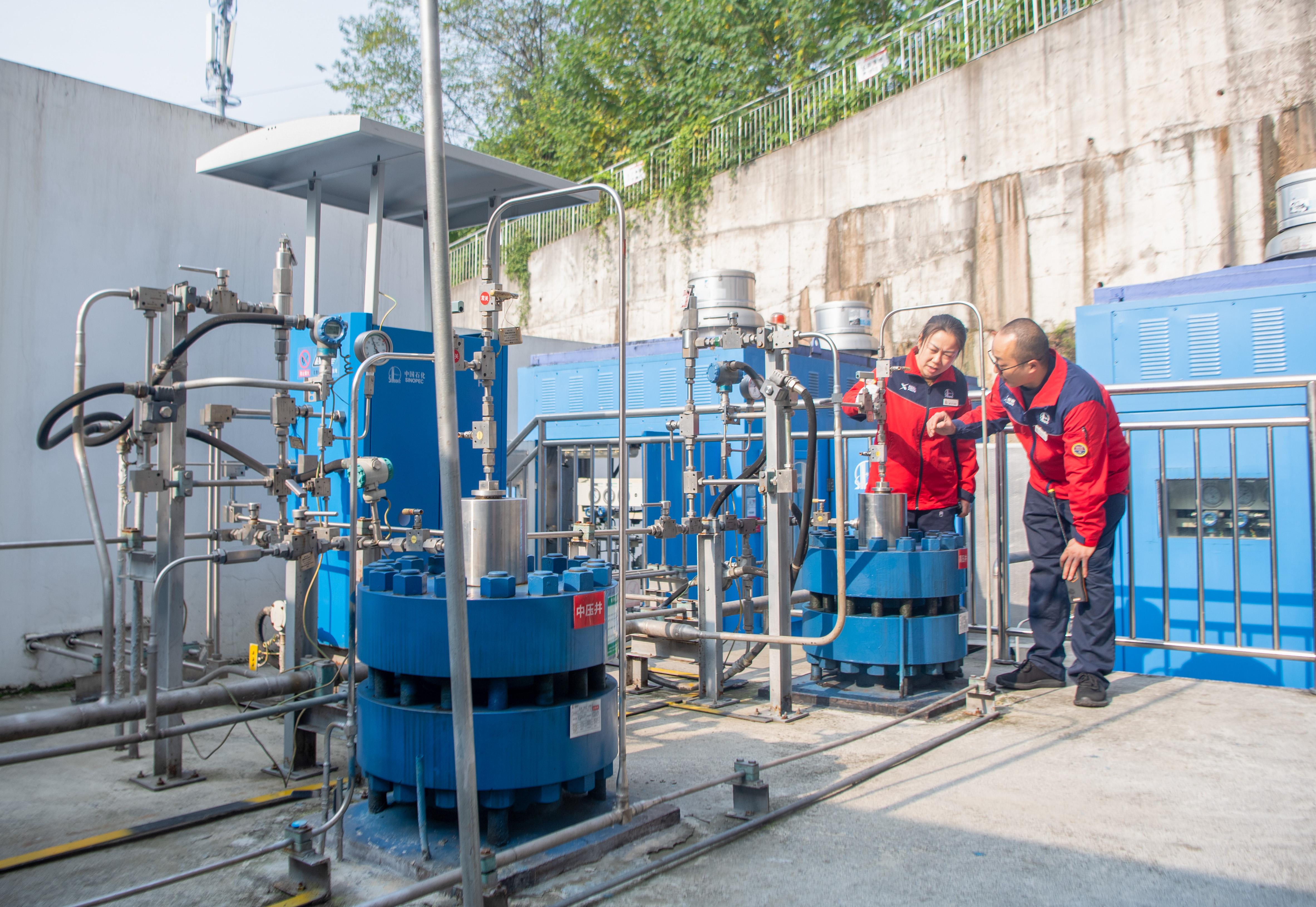
The Ministry of Industry and Information Technology (MIIT), along with the Ministry of Finance and the National Development and Reform Commission has jointly launched an initiative to pilot the comprehensive application of hydrogen energy, proposing to drive innovation in hydrogen technologies and equipment.

The Ministry of Industry and Information Technology (MIIT) recently launched an initiative on building industrial data foundation to pilot the construction of datasets of high-quality industries empowered by AI.

Guidelines to encourage the comprehensive utilization of photovoltaic (PV) modules have jointly been released by six Chinese national authorities. These include Ministry of Industry and Information Technology, Ministry of Ecology and Environment, Ministry of Commerce, State Administration for Market Regulation, National Financial Regulatory Administration, and National Energy Administration.

Chinese President Xi Jinping has sent a congratulatory letter to the Science and Technology Daily on the occasion of the 40th anniversary of its founding.
Russian agricultural technology exports have reached 5.9 billion USD since the start of 2026.